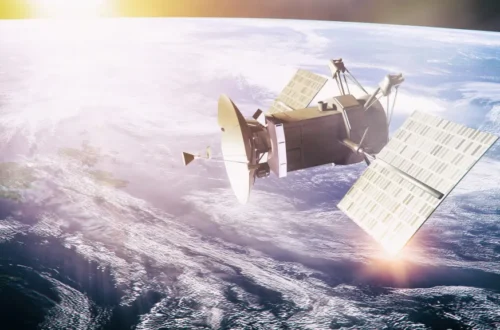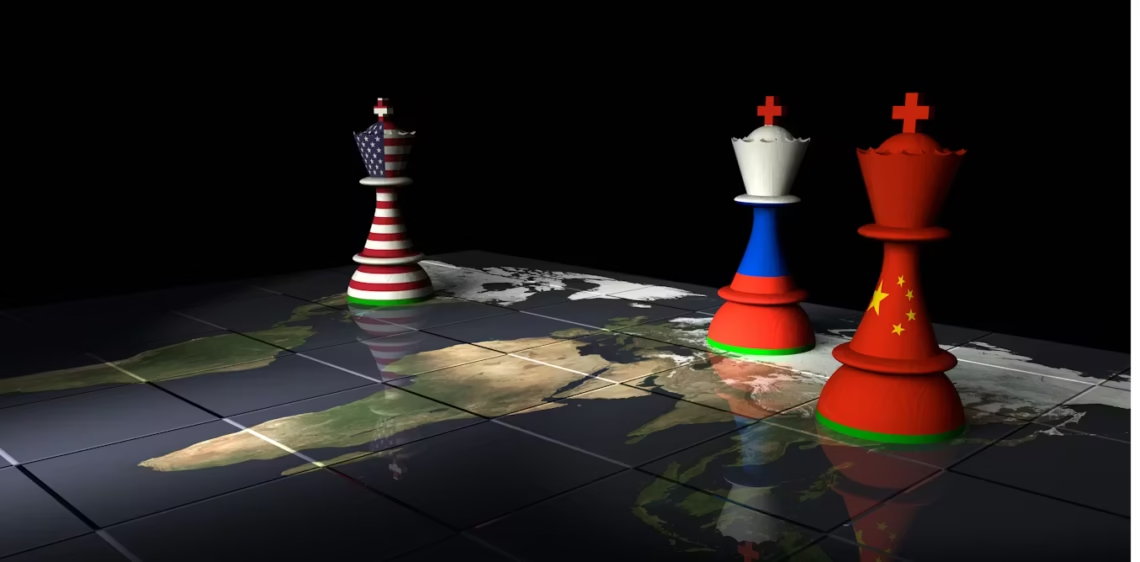
Space has always inspired humanity with the promise of discovery, innovation, and progress. Yet as nations expand their presence beyond Earth, the use of outer space has become increasingly complex, involving scientific, economic, security, and ethical considerations. One of the most important pillars guiding global activities in space is international cooperation, which ensures that outer space remains a domain for peaceful exploration, scientific advancement, and shared prosperity. From early Cold War collaborations to today’s advanced multinational missions, international cooperation continues to shape how humanity uses and manages the final frontier.
Historical Foundations of Space Cooperation
International cooperation in space began even during the height of global political tension. In 1957, after the launch of Sputnik, space quickly became a strategic domain, but it also opened the door to diplomatic engagement. The most significant milestone in this effort was the Outer Space Treaty of 1967, signed by the United States, Soviet Union, and dozens of other countries. The treaty declared that space is the common heritage of humankind and must be used exclusively for peaceful purposes. It prohibited the placement of nuclear weapons in orbit and the militarization of celestial bodies.
Another early example of cooperation was the establishment of the United Nations Committee on the Peaceful Uses of Outer Space (UNCOPUOS) in 1959. This body remains the central international forum for discussing space governance, safety guidelines, scientific sharing, and emerging challenges.
Scientific Collaboration and Shared Benefits
Scientific exploration has been a primary driver of peaceful space cooperation. The International Space Station (ISS) is the most iconic example: a joint program involving NASA (United States), Roscosmos (Russia), ESA (Europe), JAXA (Japan), and CSA (Canada). It represents one of the largest collaborative engineering projects in human history. Over 25 years, the ISS has hosted thousands of experiments, many focused on medicine, biology, Earth science, and technologies vital for future deep-space missions.
Space telescopes and observational missions also rely heavily on cooperation. Projects such as the James Webb Space Telescope, jointly developed by NASA, ESA, and CSA, demonstrate how shared scientific goals can align national interests. Collaborations allow nations to reduce costs, pool expertise, and avoid duplicating expensive research infrastructure.
Earth observation offers another major area of collaboration. Multinational satellite networks track climate change, weather systems, natural disasters, and environmental degradation. These data are often freely shared among governments, scientists, and humanitarian organizations, enabling better global responses to crises.
Economic Cooperation and the Growing Space Market
As the commercial space sector expands rapidly, cooperation has become essential for ensuring stability and fairness. Companies from different countries now work together on satellite manufacturing, launch services, communication technologies, and space-based navigation systems.
International cooperation provides several key benefits:
Shared Costs and Reduced Risk
Space missions are expensive and technologically challenging. Working together helps nations split financial burdens and minimize development risks.
Standardization of Technology
With more nations and private companies participating in space activities, standardizing technologies, docking ports, communication protocols, and safety practices is crucial for interoperability.
Expanding Global Connectivity
Satellite systems such as Galileo (EU), GPS (USA), GLONASS (Russia), and BeiDou (China) often collaborate on signal compatibility. This improves accuracy and reliability for global users—from airlines to smartphones.
Supporting Emerging Space Nations
Cooperation allows developing countries to access space technologies for agriculture, disaster management, communications, and environmental monitoring. Capacity-building programs by UN agencies and national space agencies help bridge the technological gap.
Peace, Security, and Preventing Militarization
One of the greatest challenges in modern space activities is maintaining peace amid rising geopolitical tensions. Space assets—satellites used for communication, navigation, and reconnaissance—are crucial for national security. This makes cooperation essential to prevent escalation and misunderstanding.
Space Traffic Management (STM)
As more satellites enter orbit, the risk of collisions increases. Countries must share information about satellite movements, space debris, and potential hazards to avoid accidental clashes that could trigger conflict or create long-lasting orbital debris fields.
Preventing an Arms Race in Space
International agreements prohibit the placement of weapons of mass destruction in space, but new technologies like anti-satellite weapons (ASATs) threaten long-standing norms. Cooperative transparency, data sharing, and dialogue help reinforce peaceful uses and reduce suspicion between nations.
Confidence-Building Measures (CBMs)
CBMs such as joint missions, shared launch facilities, or open communication channels help prevent misinterpretations of space activities. These measures are crucial in an era of increasing competition between major powers.
Legal and Ethical Cooperation
With new players entering space—private companies, universities, and even individuals—international legal frameworks must adapt. Cooperation is vital in addressing questions like:
Who owns resources mined from asteroids or the Moon?
Different countries have enacted their own space resource laws, but global consensus is still evolving. Ensuring peaceful and fair resource use requires multinational dialogue.
How do we ethically explore worlds that may host microbial life?
Planetary protection protocols, developed by COSPAR and supported by space agencies worldwide, ensure that missions do not contaminate Mars, Europa, and other potentially habitable environments.
How do we manage the growing problem of space debris?
Debris in orbit threatens satellites and space stations. Only coordinated international efforts—deorbiting systems, tracking networks, and debris-removal technologies—can mitigate the risk.
Future Directions in Global Space Cooperation
As humanity prepares for a new era of space activity—Moon bases, Mars missions, space mining, and orbital industries—international cooperation will become even more critical.
1. The Artemis Accords and the New Lunar Economy
The Artemis Accords, signed by over 40 countries, aim to establish peaceful guidelines for lunar exploration. These agreements outline transparency, scientific cooperation, resource extraction practices, and conflict-free operations on the Moon.
2. Creating a Global Framework for Space Mining
As private companies develop technologies to extract resources from asteroids, cooperation will be needed to ensure fair access and avoid territorial conflicts.
3. Deep-Space Missions and Interplanetary Networks
Future missions to Mars and beyond will require massive investments, shared infrastructure, and scientific collaboration on a scale never seen before.
4. Expanding Access for Developing Countries
Ensuring that all nations—not just major powers—benefit from space exploration will strengthen global stability and scientific growth.
Conclusion.
International cooperation remains the cornerstone of peaceful space exploration and use. While technological advancement, scientific discovery, and national interests all play significant roles, the vastness of space demands unity rather than competition. Through treaties, shared missions, scientific partnerships, and ethical frameworks, nations can ensure that space remains a domain of peace, innovation, and opportunity for all humankind. As humanity prepares to return to the Moon, reach Mars, and explore deeper into the cosmos, international cooperation will continue to guide our progress and protect the shared future of life beyond Earth.