Introduction
More than half a century ago, the world watched in awe as astronaut Neil Armstrong set foot on the Moon, marking a historic milestone in human achievement. The Apollo missions of the 1960s and 1970s not only demonstrated the power of science and technology but also symbolized human courage and curiosity. After decades of focusing on low-Earth orbit missions, humanity is now preparing to return to the lunar surface through NASA’s Artemis Program — a bold initiative that aims not just to repeat history, but to build a sustainable presence on the Moon and use it as a gateway to Mars and beyond.
The Artemis Program represents a new chapter in space exploration — one defined by international collaboration, advanced technology, and inclusivity. This article explores the objectives, structure, challenges, and global significance of the Artemis Program and its role in shaping the future of human space exploration.
The Origins and Vision of Artemis
The Artemis Program was officially announced in 2017 by NASA, under the directive to return humans to the Moon by the mid-2020s. The program takes its name from Artemis, the twin sister of Apollo in Greek mythology — a symbolic gesture that highlights diversity and the inclusion of women in the next era of lunar exploration.
Artemis is more than a nostalgic return to the Moon; it is designed to establish a sustainable human presence that will serve as a foundation for future missions to Mars. It builds upon decades of research and technological innovation following the Apollo era, incorporating modern advances in robotics, artificial intelligence, reusable rockets, and international partnerships.
NASA envisions the Moon as a “proving ground” for deep space exploration — a place to test technologies, develop life-support systems, and practice living off-Earth in preparation for longer missions farther into the solar system.
Goals of the Artemis Program
The Artemis Program is structured around three central goals:
- Return Humans to the Moon – The primary objective is to land “the first woman and the next man” on the lunar surface.
- Establish a Sustainable Lunar Presence – Create long-term habitats, develop in-situ resource utilization (ISRU), and build infrastructure to support continuous exploration.
- Prepare for Human Missions to Mars – Use the Moon as a testing ground for technologies and systems required for future interplanetary travel.
These goals are tied to NASA’s long-term vision of making humanity a multi-planetary species while advancing scientific discovery and economic opportunities in space.
Structure of the Artemis Missions
The Artemis Program is a series of progressively complex missions designed to test systems and gradually build toward human settlement on the Moon.
Artemis I: The Uncrewed Test Flight
Launched successfully in November 2022, Artemis I was an uncrewed test mission that demonstrated the performance of NASA’s new Space Launch System (SLS) rocket and Orion spacecraft. The mission orbited the Moon, testing flight systems, communication, and re-entry capabilities. It was a critical step in verifying that both SLS and Orion could safely carry astronauts in future missions.
Artemis II: The First Crewed Mission
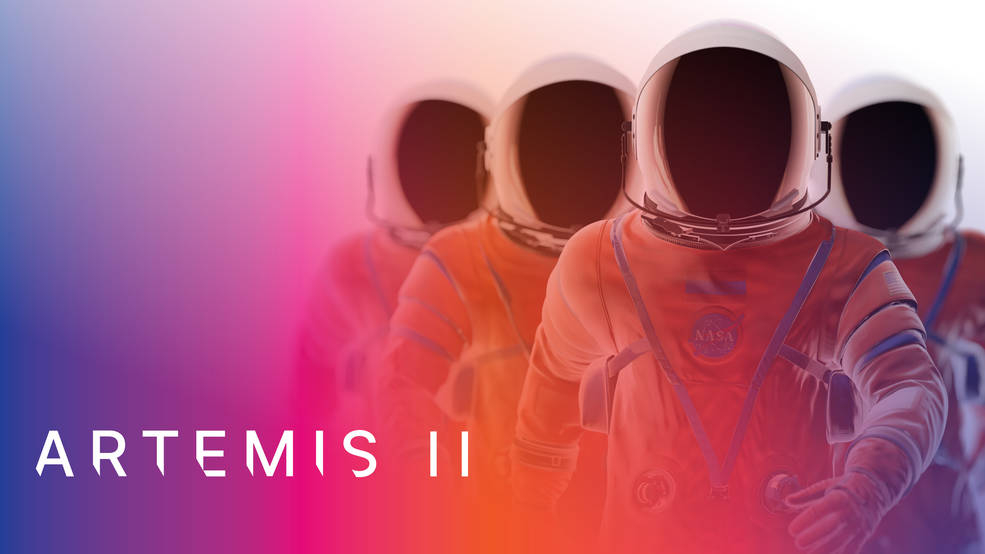
Scheduled for 2025, Artemis II will be the first crewed mission to orbit the Moon since Apollo 17 in 1972. The crew — including both American and Canadian astronauts — will not land on the Moon but will test life-support systems and communication networks on a lunar flyby mission lasting around ten days.
Artemis III: The First Lunar Landing
Planned for 2026–2027, Artemis III aims to land astronauts on the lunar South Pole, a region never before visited by humans. The South Pole is of particular interest due to the presence of water ice in permanently shadowed craters — a resource that could be used for fuel and life support.
The landing will be made possible through collaboration with SpaceX, which is developing the Human Landing System (HLS) — a modified version of the Starship spacecraft.
Beyond Artemis III: Toward Lunar Sustainability
Future missions (Artemis IV, V, and beyond) will focus on building long-term infrastructure, such as habitats, power systems, and research bases. Central to this vision is the construction of the Lunar Gateway, a small space station that will orbit the Moon and serve as a staging point for surface missions and deep-space exploration.
Key Components of the Artemis Program
1. Space Launch System (SLS)
The SLS is the most powerful rocket ever built by NASA, designed to carry astronauts and cargo beyond low-Earth orbit. It combines modern materials and technologies with proven designs from the Space Shuttle era.
2. Orion Spacecraft
The Orion capsule will carry astronauts from Earth to lunar orbit and back. Equipped with advanced life-support and navigation systems, it can sustain a crew of four for up to 21 days.
3. Lunar Gateway
The Gateway is a vital part of NASA’s long-term lunar infrastructure. It will act as a mini space station orbiting the Moon, providing docking ports, research labs, and crew living quarters. The Gateway is being developed through international cooperation with partners such as the European Space Agency (ESA), Canadian Space Agency (CSA), and Japan Aerospace Exploration Agency (JAXA).
4. Human Landing System (HLS)
NASA selected SpaceX’s Starship as the first Human Landing System provider. The reusable lander will ferry astronauts from the Gateway to the lunar surface and back. Other companies, such as Blue Origin and Dynetics, are developing alternative systems for future missions.
International Collaboration and Partnerships
The Artemis Program is not solely an American project; it is a global effort built upon collaboration through the Artemis Accords — a set of principles for peaceful and cooperative exploration of the Moon, Mars, and beyond.
As of 2025, over 40 nations have signed the Artemis Accords, including major space powers like Japan, the UK, Italy, and Canada. The agreements emphasize transparency, resource sharing, and sustainability in lunar exploration.
This cooperative framework reflects a broader shift from the competitive space race of the 20th century to a collaborative space era where countries and companies work together to advance science and humanity’s future.
Challenges Facing the Artemis Program
Despite its promise, Artemis faces numerous challenges:
- Budget and Funding: The program’s scale requires billions of dollars in funding and long-term political commitment.
- Technical Complexity: Developing and integrating systems like SLS, Orion, HLS, and Gateway is a massive engineering challenge.
- Timeline Delays: Launch schedules have already been postponed due to testing issues and logistical constraints.
- Safety Concerns: Human missions beyond Earth’s orbit involve radiation risks, equipment failure, and the challenges of operating in a harsh environment.
NASA and its partners are addressing these issues through rigorous testing, redundancy planning, and innovative engineering solutions.
Broader Impact of Artemis
The Artemis Program is not just about space travel — it has social, economic, and inspirational implications.
- It will inspire a new generation of scientists, engineers, and explorers — especially women and minorities who see themselves represented in the mission.
- It promotes the growth of the space economy, creating thousands of high-tech jobs and advancing industries such as robotics, AI, and renewable energy.
- It serves as a unifying global project, fostering cooperation across political and cultural boundaries.
Moreover, the technologies developed for Artemis — in propulsion, energy, communication, and life support — will have direct applications on Earth, improving sustainability and innovation.
Conclusion
The Artemis Program marks a historic return to the Moon, not as a one-time achievement but as the beginning of a new era of sustainable exploration. By combining government leadership, private innovation, and international collaboration, Artemis will lay the groundwork for human missions to Mars and beyond.
As the first woman and the next man take their steps on the lunar surface, they will not just continue Apollo’s legacy — they will ignite a vision for humanity’s future among the stars. The Moon is no longer a distant dream; it is the gateway to the next great leap in human civilization.