Introduction
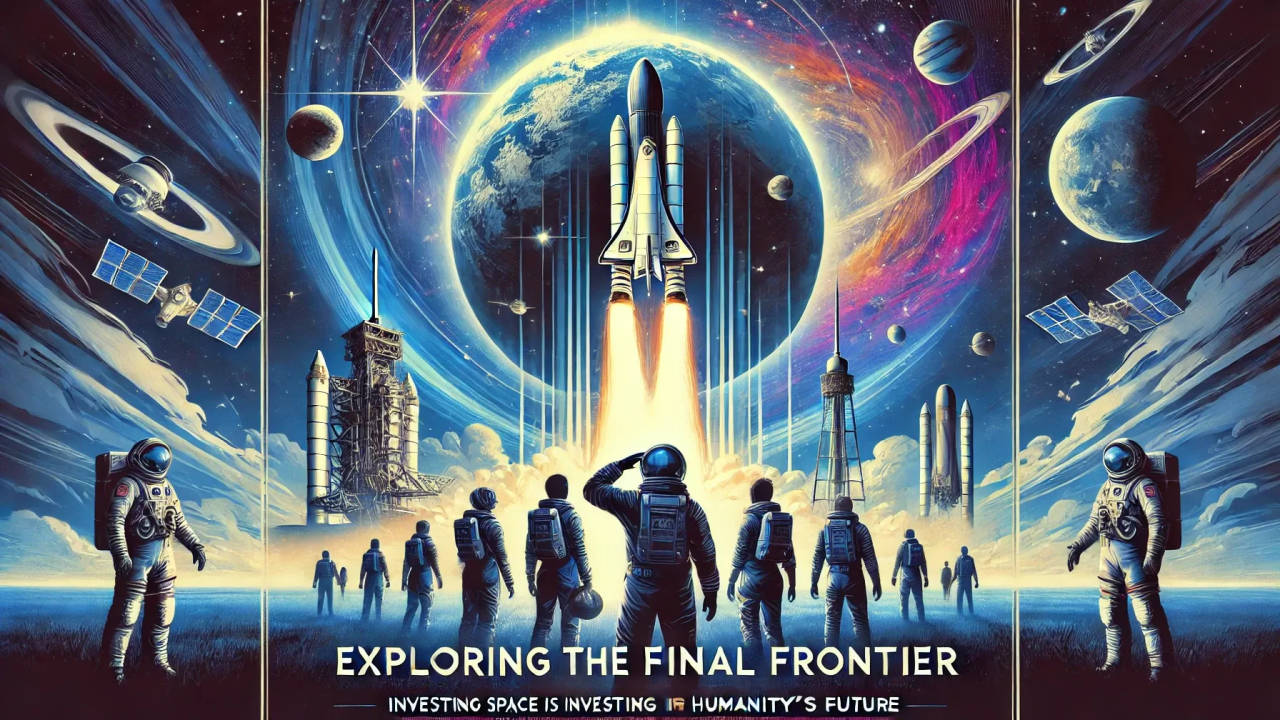
For centuries, the Moon has been a symbol of mystery, romance, and aspiration. Today, it represents something even greater — opportunity. Once visited briefly during the Apollo missions, the Moon is now at the center of renewed global interest, not just as a scientific destination but as the foundation of a new lunar economy.
From mining and energy production to tourism and construction, the Moon is emerging as a key hub for the next phase of human and commercial expansion into space. As nations and private companies race to establish a presence, the idea of a sustainable lunar economy — one that supports long-term habitation and resource utilization — is rapidly becoming a reality.
Return to the Moon
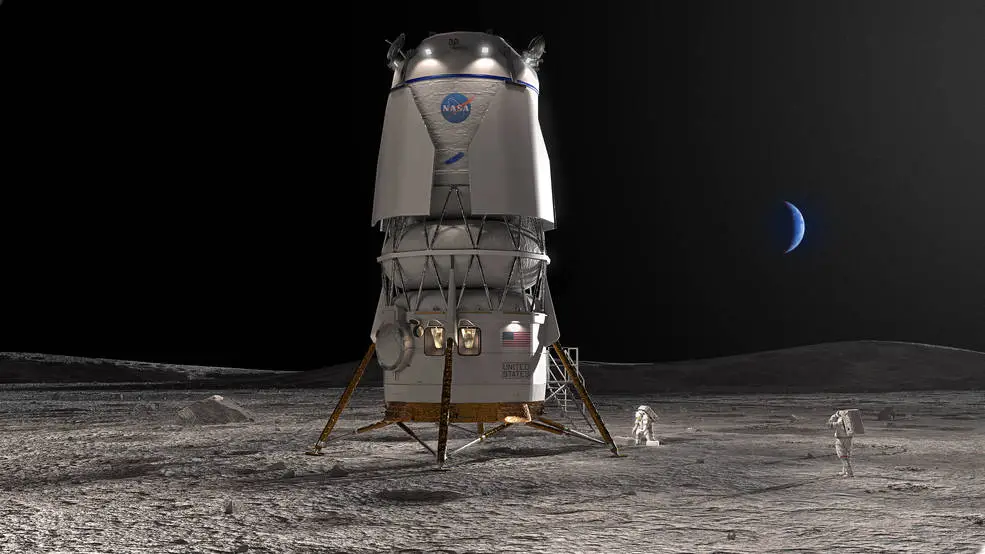
After decades of relative inactivity since the Apollo program, the 21st century has reignited lunar ambitions. NASA’s Artemis Program, China’s Chang’e missions, and private initiatives like SpaceX’s Starship and Blue Origin’s Blue Moon are paving the way for a new era of lunar exploration.
Unlike the Cold War-era race for prestige, this new phase is driven by economic and strategic motivations. The Moon’s proximity to Earth, abundance of natural resources, and potential as a launchpad for deeper space missions make it an ideal target for long-term development.
NASA’s Artemis I mission in 2022 marked the first step toward building a sustainable human presence on the Moon, with plans to establish a Lunar Gateway station and permanent base camps by the 2030s. Meanwhile, China and Russia have announced their International Lunar Research Station project, signaling growing competition and cooperation in lunar development.
Why the Moon Matters Economically
The Moon offers several unique advantages that make it central to the future space economy:
Proximity to Earth
At only about 384,000 kilometers away, the Moon is relatively close — reachable within three days by spacecraft. This proximity allows for regular supply missions, communications, and transportation, making it the most practical destination for permanent off-Earth infrastructure.
Abundant Natural Resources
The lunar surface (regolith) contains valuable elements and minerals, including:
- Helium-3: A rare isotope potentially usable for nuclear fusion energy, offering clean, virtually limitless power.
- Titanium, Aluminum, and Rare Earth Elements: Crucial for advanced manufacturing and electronics.
- Water Ice: Found in permanently shadowed craters near the poles, it can be converted into hydrogen and oxygen — essential for rocket fuel and life support.
These resources could make the Moon self-sustaining and serve as a refueling and resupply station for missions deeper into the solar system.
Scientific and Strategic Value
The Moon’s low gravity (1/6th of Earth’s) and stable environment make it ideal for scientific research, astronomical observation, and the testing of life-support technologies that could later be used on Mars.
Moreover, establishing a presence on the Moon offers strategic and geopolitical influence, as space becomes an increasingly vital domain of international power.
Building the Lunar Economy
The lunar economy encompasses all commercial, industrial, and logistical activities related to the Moon — from exploration and mining to tourism and communications.
According to estimates by the Bank of America and McKinsey, the lunar economy could be worth hundreds of billions of dollars annually by 2040 if current trends continue.
Let’s explore its main sectors:
Lunar Mining and Resource Extraction
Mining the Moon for water ice, metals, and helium-3 is expected to be one of the most profitable ventures.
- Water Mining: NASA’s VIPER rover (Volatiles Investigating Polar Exploration Rover) will explore lunar poles to identify water sources. Extracted water can sustain astronauts and produce rocket fuel, enabling in-space refueling stations.
- Helium-3 Mining: Though technologically challenging, helium-3 could revolutionize Earth’s energy systems if fusion becomes viable. A single ton could power an entire city for a year.
Lunar Manufacturing and Construction
Transporting materials from Earth is extremely costly. Thus, in-situ resource utilization (ISRU) — using lunar materials to build habitats, landing pads, and tools — is a cornerstone of the lunar economy.
- 3D printing with lunar regolith can build structures directly on the Moon.
- Companies like ICON and Blue Origin are already designing lunar construction technologies for NASA’s Artemis Base Camp.
Transportation and Logistics
SpaceX, Blue Origin, and Astrobotic are developing lunar landers and cargo vehicles to transport payloads between Earth, lunar orbit, and the surface.
The Lunar Gateway, an orbiting space station, will serve as a transportation hub connecting Earth missions to the Moon and beyond.
Energy Production
Due to its two-week-long days and nights, the Moon requires efficient energy solutions.
- Solar farms can be built on lunar ridges with near-constant sunlight.
- Nuclear power modules, developed by NASA and Rolls-Royce, could provide stable energy during long lunar nights.
Tourism and Habitation
Lunar tourism may seem like science fiction, but with companies like SpaceX planning private Moon missions, it could become a reality within the next decade.
Future lunar bases could host researchers, engineers, and even tourists in pressurized habitats, creating a small but high-value hospitality economy.
Economic and Strategic Benefits for Earth
The lunar economy offers both direct and indirect benefits to Earth’s industries and governments:
Direct Benefits
- Creation of new jobs in aerospace, robotics, AI, and materials science.
- Development of new technologies for remote construction, renewable energy, and sustainable living.
- Opportunities for private investment in a rapidly expanding space market.
Indirect Benefits
- Enhanced international cooperation through shared missions and technology exchange.
- Strengthened global communications and navigation infrastructure.
- Scientific discoveries that improve climate modeling, energy systems, and resource management on Earth.
In essence, the Moon serves as a testing ground for sustainable living and industrial practices that can benefit humanity’s survival both on and off Earth.
Challenges to Building a Lunar Economy
While the potential is enormous, several economic, technical, and legal challenges stand in the way.
High Initial Costs
Establishing infrastructure on the Moon requires massive investments — estimated at $100–200 billion over the next two decades.
Technological Limitations
Reliable power systems, radiation protection, and long-term life-support systems are still being developed.
Legal and Ethical Issues
The Outer Space Treaty (1967) prohibits national ownership of celestial bodies, leaving the question of property rights and resource ownership unresolved.
The U.S. Artemis Accords aim to create a framework for responsible lunar resource utilization, but not all nations have agreed.
Environmental and Safety Concerns
Mining and construction activities could disrupt the Moon’s delicate environment and scientific value. There are also concerns about space debris and contamination.
Economic Inequality
As with all frontier economies, there’s a risk that wealthy nations and corporations will dominate lunar development, leaving others behind. Ensuring inclusive access and fair governance will be essential.
Future of the Lunar Economy
Experts predict that the lunar economy will evolve in three major phases:
Phase 1: Exploration and Infrastructure (2020–2035)
- Focus on robotic missions, mapping, and testing technologies.
- Construction of the Lunar Gateway and initial habitats.
- Development of mining and transportation prototypes.
Industrial Expansion (2035–2050)
- Operational mining, manufacturing, and power generation.
- Regular cargo and passenger flights between Earth and the Moon.
- Emergence of commercial lunar bases and tourism.
Integration with the Broader Space Economy (2050 and beyond)
- The Moon becomes a hub for interplanetary logistics.
- Economic activities connect Earth, Moon, and Mars into a single network.
- The lunar economy fuels humanity’s transition to a multi-planetary civilization.
Conclusion
The lunar economy marks the beginning of a transformative era — one in which the Moon becomes not just a destination but a foundation for humanity’s expansion into the cosmos.
With its resources, strategic location, and proximity to Earth, the Moon offers an unprecedented opportunity to build a sustainable, profitable, and cooperative space ecosystem. Yet, realizing this vision requires careful planning, fair governance, and international collaboration to ensure that the benefits of lunar development are shared equitably.