Introduction
Space exploration has long been one of humanity’s greatest ambitions — a symbol of innovation, courage, and our endless curiosity about the universe. For most of the 20th century, this pursuit was dominated by governments, particularly during the Cold War’s Space Race between the United States and the Soviet Union. But the 21st century has ushered in a new chapter, one where private companies play a central role alongside traditional space agencies.
This growing partnership — and sometimes competition — between the public and private sectors is transforming how humanity reaches for the stars. Understanding the strengths, limitations, and interplay between these two forces is crucial to grasping the future of space exploration.
The Historical Role of Governments in Space
In the early decades of spaceflight, governments were the sole players in space exploration. Projects such as NASA’s Apollo program or the Soviet Luna missions were driven by national prestige, scientific discovery, and military strategy.
During the 1960s and 1970s, the enormous costs and risks involved in space travel made it impossible for private companies to participate. Government agencies, supported by taxpayer funding, built and launched satellites, probes, and human missions.
Key Achievements of Government Space Programs
- 1957: The Soviet Union launches Sputnik 1, the first artificial satellite.
- 1961: Yuri Gagarin becomes the first human in space.
- 1969: NASA’s Apollo 11 lands humans on the Moon.
- 1998: Construction of the International Space Station (ISS) begins, marking global cooperation in orbit.
These milestones were not driven by profit, but by scientific curiosity and national ambition. They laid the foundation for everything the private sector does in space today.
Rise of the Private Sector
By the late 1990s and early 2000s, advances in technology and a shift in government policy created opportunities for private enterprise. Agencies like NASA began outsourcing contracts, allowing companies to design and launch spacecraft for commercial and scientific use.
Pioneering firms such as SpaceX, Blue Origin, Virgin Galactic, and Rocket Lab transformed the industry. What was once government monopoly became a competitive marketplace.
Major Turning Points for Private Space Exploration
- 2008: SpaceX becomes the first private company to send a spacecraft (Dragon) to the International Space Station.
- 2015: Blue Origin successfully lands a reusable rocket, reducing launch costs.
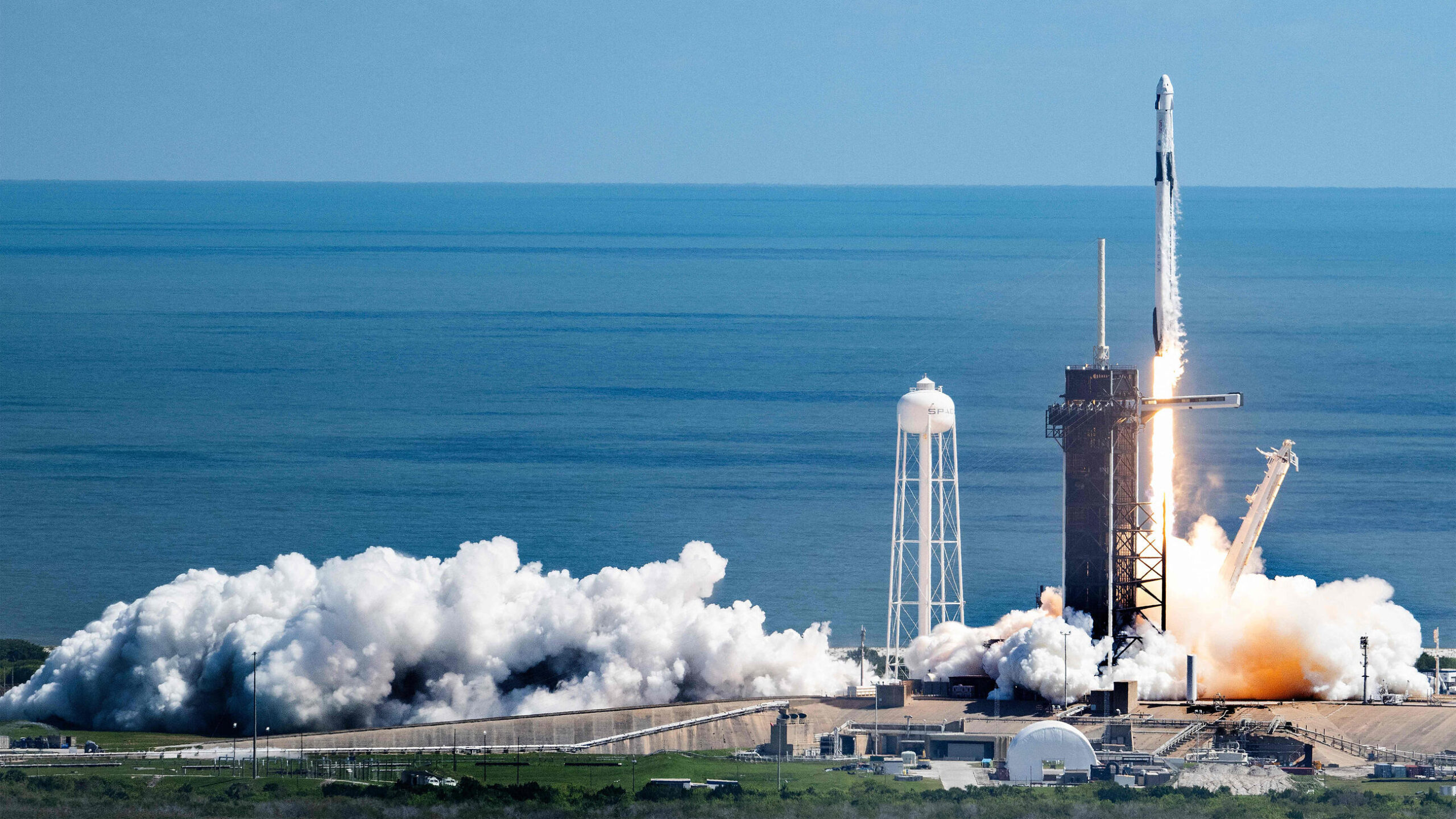
- 2020: SpaceX’s Crew Dragon carries astronauts to orbit — the first commercial crewed mission.
- 2021: Private suborbital flights by Virgin Galactic and Blue Origin mark the beginning of space tourism.
Today, private firms handle satellite launches, crewed missions, lunar landers, and soon — potentially — Mars expeditions.
Motivations: Exploration vs. Commercialization
The key difference between government and private actors lies in their motivations.
Government Goals
Governments view space as a public good and a matter of national security, scientific research, and international prestige. Agencies like NASA, ESA, and ISRO focus on:
- Advancing human knowledge.
- Developing technologies for the public sector.
- Conducting long-term missions that may not yield immediate profit.
- Ensuring space activities align with global treaties and ethics.
Private Sector Goals
Private companies, in contrast, are driven by innovation, competition, and profit. Their objectives include:
- Reducing launch costs through reusable technology.
- Developing profitable markets (e.g., satellites, tourism, resource extraction).
- Speeding up innovation cycles by taking more calculated risks.
The result is a dynamic ecosystem where governments set strategic goals and regulations, while companies bring agility and cost efficiency.
Synergy: Public–Private Partnerships
Rather than replacing each other, governments and private companies increasingly collaborate. These partnerships are essential for balancing ambition with practicality.
Examples of Collaboration
- NASA’s Commercial Crew Program: NASA funds private companies like SpaceX and Boeing to transport astronauts to the ISS, saving billions.
- Artemis Program: NASA’s plan to return humans to the Moon involves private contractors like SpaceX (Starship) and Blue Origin (lunar landers).
- European Space Agency (ESA): Works with private firms for satellite launches and data analytics.
These collaborations allow governments to focus on deep-space science, while private firms manage commercial logistics and innovation.
Comparing Strengths
| Aspect | Government Sector | Private Sector |
|---|---|---|
| Funding | Stable, large-scale public budgets | Investor and contract-based, flexible |
| Goals | Scientific research, exploration, national interest | Profit, market growth, technological efficiency |
| Risk Tolerance | Low — bound by politics and regulations | High — innovation through experimentation |
| Speed and Agility | Slower due to bureaucracy | Faster due to competitive pressure |
| Accountability | Public transparency, safety-focused | Market-driven, investor accountability |
| Sustainability Outlook | Long-term exploration plans | Cost-reduction and commercialization focus |
Both sides bring indispensable strengths — and their cooperation ensures a more sustainable and ambitious space future.
Challenges of Commercialization
Despite its successes, the growing influence of private companies raises complex challenges:
Regulation and Governance
The Outer Space Treaty of 1967 prohibits nations from claiming ownership of celestial bodies, but it didn’t anticipate private companies mining asteroids or colonizing Mars. New frameworks are needed to govern resource rights, liability, and safety standards.
Profit vs. Public Good
While companies innovate rapidly, their focus on profit can conflict with broader humanitarian or scientific goals. For example, mega-constellations like Starlink provide global internet but also contribute to orbital congestion and light pollution.
. Equity and Accessibility
Private space activities remain dominated by wealthy individuals and corporations. Ensuring that developing nations also benefit from space technology is a growing concern.
Sustainability and Space Debris
The more private launches occur, the higher the risk of orbital debris. Governments must work with companies to establish sustainable practices and avoid endangering future missions.
Competition or Cooperation
Some analysts describe the relationship between governments and private companies as a “competitive partnership.” While companies like SpaceX may outpace government programs in speed and efficiency, they still depend on government contracts, infrastructure, and regulation.
In contrast, governments rely on the private sector to achieve goals faster and cheaper. For instance, NASA’s cost to launch astronauts using its own system was around $80 million per seat — while SpaceX now offers the same service for roughly $55 million.
Thus, cooperation remains the most effective model: government vision, private execution.
Future of Space Exploration
The next frontier of space exploration will likely be a hybrid model, blending government leadership with private entrepreneurship. Key developments on the horizon include:
- Lunar bases: Joint missions under NASA’s Artemis program and commercial partnerships.
- Mars exploration: SpaceX and NASA collaborating on human missions by the 2030s.
- Commercial space stations: Private orbital platforms replacing the ISS after 2030.
- Asteroid mining and resource extraction: Regulated commercial ventures with global oversight.
- Space tourism and manufacturing: Expanding access to space for research and recreation.
The line between public and private sectors will continue to blur — each depending on the other for funding, expertise, and legitimacy.