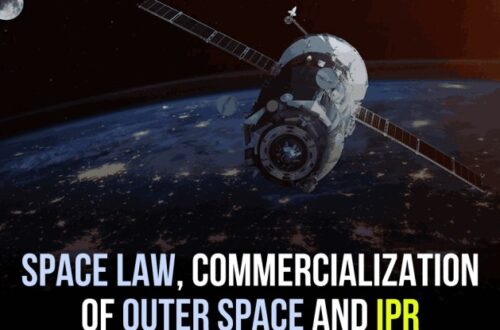
Introduction
For centuries, humanity has dreamed of leaving Earth and venturing among the stars. What was once the domain of astronauts and scientists is now becoming accessible to private citizens through space tourism — a new era of luxury travel that promises adventure, exclusivity, and a view of our planet few have ever seen.
Space tourism represents a revolutionary intersection between technology, business, and human aspiration. Enabled by private companies such as SpaceX, Blue Origin, and Virgin Galactic, it is transforming space from a government monopoly into a thriving commercial industry. As rockets become reusable, costs decline, and demand rises, space tourism may soon evolve from a billionaire’s fantasy into a booming global market.
This article explores the history, technology, economics, and ethical considerations of space tourism, as well as its potential to shape the future of human civilization beyond Earth.
Origins of Space Tourism
Although the concept of space tourism sounds futuristic, its roots trace back several decades.
The first private individual to travel into space was Dennis Tito, an American engineer and entrepreneur. In 2001, he paid $20 million to the Russian Space Agency for a seat aboard a Soyuz spacecraft to the International Space Station (ISS). His journey marked the beginning of the commercial spaceflight era, proving that private citizens could participate in missions once limited to astronauts.
Following Tito, several wealthy individuals — including Mark Shuttleworth (2002) and Anousheh Ansari (2006) — made similar trips, arranged by the company Space Adventures. However, due to high costs and limited availability, space tourism remained a rare and elite experience.
The real transformation began in the 2010s, when new private space companies emerged with bold ambitions to make space travel more affordable and frequent.
The Rise of Commercial Space Companies
SpaceX
Founded by Elon Musk in 2002, SpaceX has revolutionized the space industry by developing reusable rockets, significantly reducing launch costs. In 2021, SpaceX’s Inspiration4 mission became the first all-civilian orbital flight, carrying four private passengers for a three-day journey around Earth aboard the Crew Dragon spacecraft.
In the future, SpaceX plans to use its Starship spacecraft — a fully reusable vehicle — for orbital tourism, lunar flybys, and even Mars missions
Blue Origin
Established by Jeff Bezos, Blue Origin focuses on suborbital space tourism through its New Shepard rocket. The company achieved its first crewed flight in 2021, carrying Bezos himself along with three other passengers.
The flight lasted about 10 minutes, reaching an altitude of over 100 kilometers — the Kármán line, officially recognized as the edge of space. Blue Origin’s short, luxury-style flights are designed for repeat commercial operations, offering passengers several minutes of weightlessness and breathtaking views of Earth.
Virgin Galactic
Founded by Sir Richard Branson, Virgin Galactic takes a different approach. Its spacecraft, VSS Unity, is launched from a carrier plane and then rockets to suborbital space. Virgin Galactic offers a 90-minute flight experience, including a few minutes of zero gravity and panoramic views of Earth’s curvature.
Tickets for Virgin Galactic’s flights are priced around $450,000 per seat, targeting high-net-worth individuals.
The Space Tourism Experience
A space tourist’s journey begins with months of preparation and training. Participants learn about the effects of microgravity, safety procedures, and spacecraft operations.
Depending on the company and mission type, there are three main categories of space tourism:
- Suborbital Flights: Passengers experience a short trip to space and return within minutes. (e.g., Blue Origin, Virgin Galactic)
- Orbital Flights: Passengers orbit Earth for several days, similar to astronauts. (e.g., SpaceX’s Inspiration4)
- Lunar and Deep Space Tourism: Future missions plan to take tourists around the Moon or even to Mars.
During flight, tourists experience weightlessness, view Earth’s blue horizon, and witness the darkness of space — a deeply emotional and transformative experience known as the “Overview Effect.”
Many astronauts and space tourists describe this as a life-changing realization of the fragility and unity of our planet.
Economic Impact and Market Potential
Space tourism is still in its infancy, but analysts predict it could become a multi-billion-dollar industry within the next two decades.
According to UBS and Morgan Stanley reports, the global space tourism market could reach $20–30 billion annually by 2030, driven by advancements in reusable rockets and increasing interest among ultra-wealthy travelers.
The development of private spaceports, training facilities, and spacecraft manufacturing also creates new jobs and industries on Earth. Furthermore, commercial tourism helps finance technologies that will support future human colonization of the Moon and Mars.
However, high ticket prices — currently ranging from $200,000 to $55 million per seat — limit accessibility. Experts believe prices will decrease over time as technology matures, similar to the evolution of commercial air travel in the 20th century.
Challenges and Risks
While space tourism promises excitement and innovation, it also faces significant technical, environmental, and ethical challenges.
1. Safety Concerns
Space travel is inherently risky. Even minor malfunctions can lead to catastrophic outcomes. Companies must maintain rigorous safety standards to protect passengers. The tragic SpaceShipTwo crash in 2014, which killed a Virgin Galactic test pilot, reminded the world that human spaceflight remains dangerous.
2. Environmental Impact
Rocket launches release large amounts of carbon dioxide, soot, and water vapor into the upper atmosphere, potentially affecting climate and ozone layers. Critics argue that frequent luxury space flights for the rich could worsen environmental inequality.
To address this, companies are exploring greener propulsion systems, including methane-oxygen and hydrogen-based fuels that produce fewer emissions.
3. Ethical and Social Issues
The high cost of space tourism raises questions about economic inequality — should space be a playground for the wealthy while billions struggle on Earth? Others argue that private investment accelerates technological progress that will eventually benefit all humanity.
There are also regulatory challenges: ensuring passenger safety, managing space traffic, and preventing space debris from increasing. Governments and international organizations are still developing clear policies to govern commercial spaceflight.
Future of Space Tourism
Despite challenges, the long-term outlook for space tourism is promising. Experts predict that by the 2040s, millions of people may have traveled beyond Earth’s atmosphere.
Space Hotels and Orbital Resorts
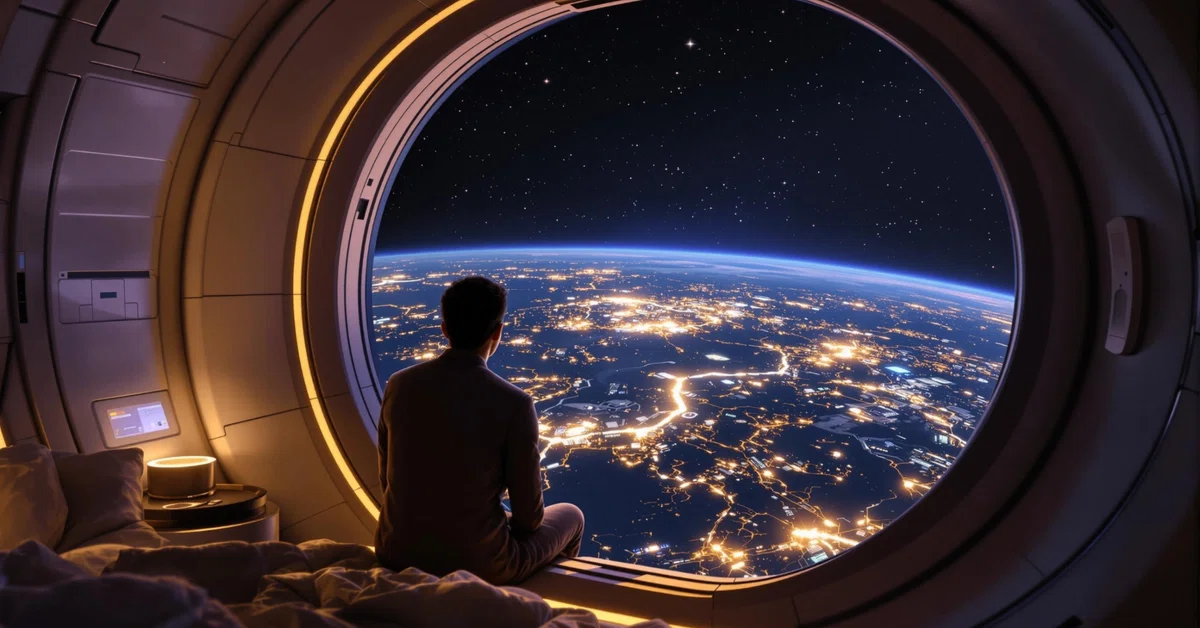
Companies like Orbital Assembly Corporation are already planning to build space hotels in low Earth orbit by the 2030s. These rotating structures would simulate gravity and accommodate tourists, scientists, and commercial guests.
Lunar and Martian Tourism
SpaceX’s Starship aims to carry tourists on lunar flybys, possibly as early as the 2030s. Japanese billionaire Yusaku Maezawa has already booked a private mission called Dear Moon, which will take artists and creators around the Moon.
In the long term, human settlements on Mars could create a new type of adventure tourism — the ultimate frontier for human exploration.
Democratization of Space Travel
As costs decrease and technology improves, space tourism may eventually become accessible to middle-class travelers — much like air travel did after its early years as a luxury service. Virtual reality and simulated microgravity flights on Earth may also offer affordable alternatives.
Conclusion
Space tourism marks a turning point in human history. It represents not only the commercialization of space but also the fulfillment of a centuries-old dream — to see our world from above and experience life beyond its boundaries.
What began with a few billionaires has now evolved into a legitimate industry with enormous economic, technological, and inspirational potential. While safety, sustainability, and ethics remain pressing concerns, space tourism continues to push the limits of innovation and imagination.
As spacecraft become more advanced and flights more affordable, humanity may soon enter an age where traveling to space is as common as flying across continents.